Air Pollution in Delhi: Which Health Tests Can Help Monitor Your Health?
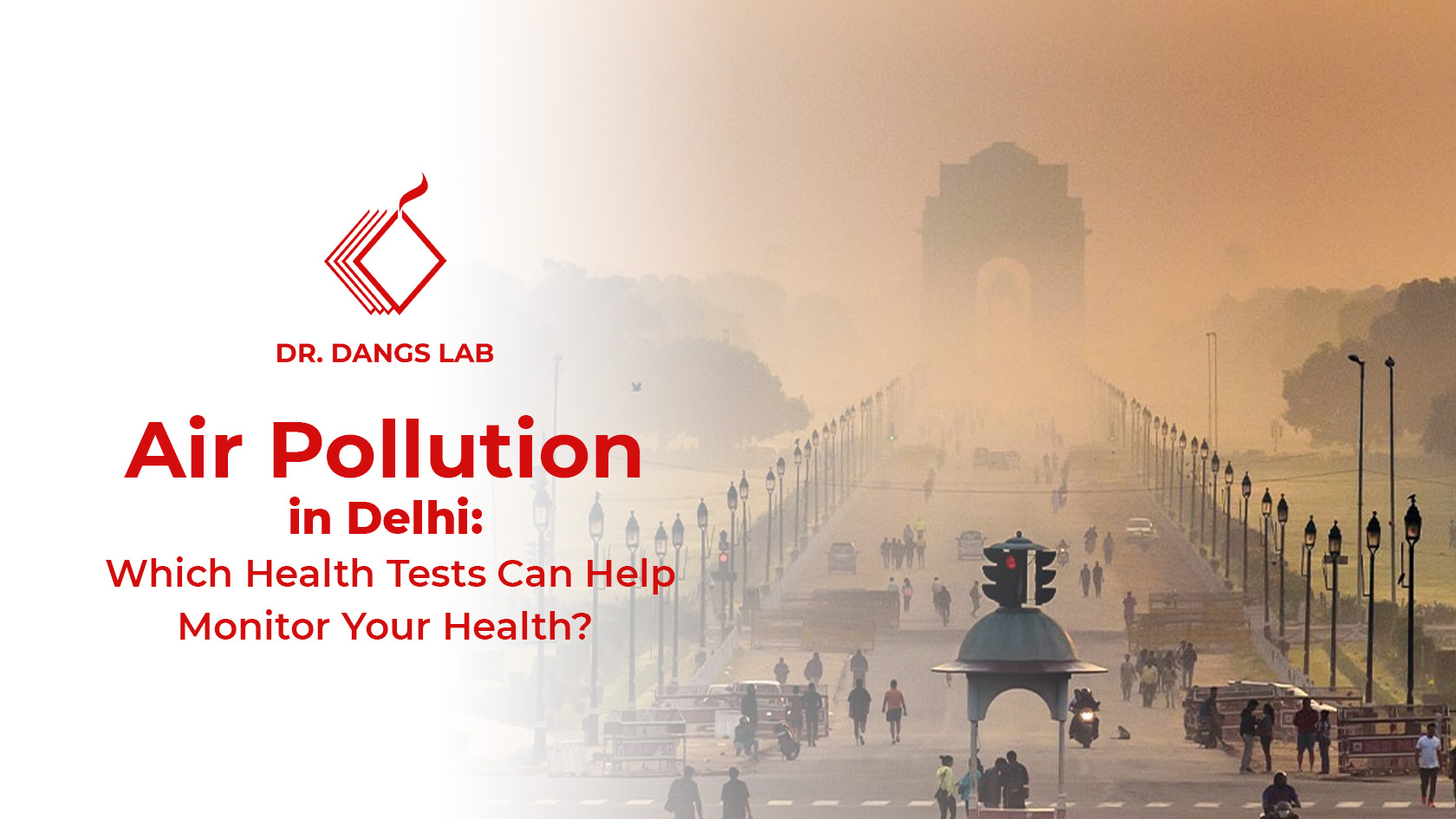
Delhi's air pollution is not just a seasonal respiratory concern. Fine particulate matter, particularly PM2.5, is associated with respiratory illness and increased cardiovascular risk. For people experiencing persistent symptoms or managing existing health conditions, the important question is not simply which tests to take, but which investigations are relevant to their individual health profile.
At Dr. Dangs Lab, conventional diagnostic investigations and specialised functional health tests can help address different clinical questions. The choice depends on symptoms, medical history, exposure concerns and a healthcare professional's assessment. No single test can establish the overall effect of air pollution on the body.
Start With the Health Concern, Not a Test Package
Different symptoms call for different approaches. A person with recurrent sneezing may need an allergy assessment, while someone with chest discomfort requires evaluation for potentially serious cardiac causes. Broad testing without a clear clinical question can produce results that are difficult to interpret.
When Coughing, Wheezing or Allergies Persist
Air pollution can irritate the respiratory tract and aggravate existing asthma or allergic conditions. However, not every episode of coughing or breathlessness is caused by an allergy.
Total IgE testing measures the overall concentration of immunoglobulin E, an antibody associated with allergic responses. An elevated result does not identify a specific allergen and may occur in several clinical situations.
Where an immediate allergy is suspected, allergen-specific IgE testing may provide more targeted information. Dr. Dangs Lab offers Allergynius Dx, a molecular allergy testing option that examines allergen components to help characterise sensitisation patterns. Its suitability depends on the patient's history and suspected allergens.
These investigations may help clinicians evaluate suspected allergies, but they do not measure pollution exposure or prove that air pollution caused a reaction.
Explore the Total IgE test and ask about Allergynius Dx when discussing an appropriate allergy assessment.
When Environmental Exposure Needs Closer Investigation
Air pollution is a mixture of particles and gases, whereas environmental toxin testing addresses particular substances or exposure questions. These are related but distinct areas of assessment.
Envirotox panels may be worth discussing when there is a specific concern about environmental toxicant exposure. Before choosing a panel, it is important to establish which substances it measures, the specimen required, and whether the test is validated for the suspected exposure.
Do not treat such testing as a general measure of pollution damage. A result must be interpreted in the context of exposure history, clinical findings and the limitations of the particular method. Routine toxin screening is not automatically indicated simply because someone lives in Delhi.
Contact the laboratory to confirm the available Envirotox panel options and their scope before booking.
When the Focus Is Heart Health
Air pollution is associated with cardiovascular disease, making established heart health assessment particularly relevant for people with existing risk factors.
A conventional lipid profile measures cholesterol and triglycerides. Blood glucose or HbA1c may be appropriate for assessing diabetes risk, depending on the individual's circumstances.
For selected patients, an Advanced Cardiac Risk Profile can provide additional information through markers such as apolipoprotein B (ApoB), lipoprotein(a) [Lp(a)], high-sensitivity C-reactive protein (hs-CRP), and other cardiovascular risk markers. These tests may help refine risk assessment when clinically appropriate.
They do not diagnose pollution-induced heart damage. Their value lies in assessing cardiovascular risk alongside blood pressure, smoking history, family history, symptoms and other established factors.
Review the functional and advanced testing options with your healthcare professional to determine whether specialised cardiac testing is appropriate.
Where Do Routine Diagnostic Tests Fit In?
Some concerns are better addressed with established investigations rather than specialised panels.
-
Complete Blood Count (CBC): May help investigate suspected anaemia or other blood-related abnormalities when fatigue or weakness warrants evaluation. It cannot identify pollution as the cause.
-
C-reactive protein (CRP): Measures a nonspecific marker of inflammation. It does not identify the source.
-
Spirometry: Measures airflow and can support the assessment of asthma or chronic obstructive pulmonary disease (COPD). It is a lung function investigation, not a blood test.
A clinician may recommend one or more of these tests according to the symptoms and examination findings. A normal result does not exclude every respiratory or cardiovascular condition.
What Should You Do During Delhi's Pollution Season?
Check local Air Quality Index (AQI) readings and reduce strenuous outdoor activity when air quality is poor. A well-fitting N95 respirator can reduce exposure to airborne particles, although it does not remove every pollutant. Follow prescribed treatment for asthma, COPD or heart disease, and seek medical advice if symptoms persist.
Severe breathlessness, chest pain, fainting or confusion requires urgent medical assessment. Do not delay care while arranging laboratory tests.
How Can Dr. Dangs Lab Help?
Dr. Dangs Lab offers routine diagnostic investigations and specialised testing options. The appropriate choice depends on the clinical question, rather than the assumption that everyone exposed to polluted air needs a comprehensive panel.
Explore diagnostic services or contact the laboratory to confirm test availability, sample requirements and appointment arrangements.
FAQs Around Air Pollution:
1. Is there a blood test for air pollution damage?
No single blood test can confirm health damage specifically caused by air pollution. Testing depends on symptoms and clinical assessment.
2. Can IgE testing identify pollution-related allergies?
IgE testing can help evaluate suspected allergic sensitisation. It cannot establish that pollution caused the allergy.
3. What are Envirotox panels used for?
Their relevance depends on the substances measured and the suspected exposure. Confirm the panel's scope and discuss its clinical value with a qualified healthcare professional.
4. Who may benefit from an advanced cardiac risk profile?
People with selected cardiovascular risk factors may benefit from additional risk assessment. A clinician should determine which markers are appropriate.
5. Can I book these tests at Dr. Dangs Lab?
Contact the laboratory to confirm availability, preparation requirements and sample collection arrangements before booking.
Our Locations
-
SDA, New Delhi: C2/1, SDA Aurobindo Marg, next to Aurobindo Market. Phone: 011-45004200 / +91-9999992020.
-
Gurugram: Palm Springs Plaza, Golf Course Road, Sector 53. Phone: +91-9818881065.
-
Noida: Shop No. 1, Ground Floor, Sector 50, Noida. Phone: +91-9811234567.
For additional branches and current details, visit the official locations page.
Contact Us
Call +91-9999992020 to enquire about recommended investigations and appointment options.
Book Your Test: Visit Dr. Dangs Lab
Medical note: This article is for general education and does not replace individual medical advice. A qualified healthcare professional should guide test selection and interpretation.